You’re here because you want to use Power BI with UKG Pro Data.
You’re not the only one. Here’s a solution that might interest you.
The solution comes with all the code you need to run reports in UKG People Analytics and have the data show up in Power BI. The Power BI model has measure based on payroll amounts and hours. We’ll be adding head count statistics shortly. All the basics are included – like Job and org Level information.
So, let’s point out a few key things for business users and technical folks:
Today, you’ll learn about challenges involving Employee Job History
You know that it’s not enough to know what your job counts and job titles are today. You need to know what they were last month, last quarter, and last year.
You want your UKG Pro data in your Data Warehouse. We’ve touched on why we -recommend reports as a service here. You’ll never pull all your UKG data into your data warehouse. It’s too large and too much of it is only important for HR, Benefits and other compliance purposes.
Why We Use Reports as a Service over Rest APIs with UKG Pro
You need to decide how to get your data from UKG Pro. We recommend Reports as a Service (RAAS) even as we also support Rest APIs. Here’s the data.
It provides the most data We’ve found all the data we need in People Analytics. While the API list is long, it’s not FULLY comprehensive. For example, the Employee Pay Statement shows everything the employee sees on their check. It doesn’t show Org Level Job allocations. If you do a lot of payroll analysis, this doesn’t work. If you’re like all my customers, you have at least SOME people that work in multiple departments and even in multiple jobs. If someone has found an API that provides this detail, please, please, please let me know I’m wrong.
RAAS leverages user knowledge. There are plenty of folks who know how to use people Analytics. We want to leverage that knowledge. Consulting time is expensive. You should pay for what you need, not for what you can already do. Of course, if you don’t have People Analytics expertise, we are happy to help
RAAS is one thing to learn. There are lots of APIs. And they all work. But they all work differently. Which means every new piece of data means something new to learn. We’ve learned most of them. But it wasn’t fun.
UKG Pro Rest APIs have their place. If you want to build your own user application, APIs can be the way to go. But for analytics, we think RAAS is the way to go.
Two other options before we leave.
UKG Pro also supports Informatica. Informatica is a complex tool and resources are expensive and not easy to come by. We prefer widely known tools like PowerShell. When you choose an approach, you want to make sure that you’re not dependent on a particular resource.
If you already have a cloud data warehouse like Snowflake or RedShift, you have another option to consider. Portable.io has created a pipeline to take data from UKG Pro directly into several cloud data warehouse like Snowflake and RedShift based on the APIs. We’ve been working with Snowflake for other purposes and as we learn more, we’ll be sure to post.
What have you been using to get your data from UKG Pro?
You want to understand how to run People Analytics Reports as A service (RAAS). If you just want the sample Postman code, you can request that here. Please note that the last step of the process requires a few lines of PowerShell outside of Postman. For your reference, here’s the UKG documentation.
There are many UKG Pro/UltiPro/Kronos/Dimensions consultants out there. And if you’re searching for help, all the websites may have started to merge together.
Everyone has years of experience, focuses on their client and delivers great results.
As a data person, you’ll find that platform configuration fields are among the most useful features of UKG Pro aka UltiPro. These are user fields on steroids, allowing not only to add data, but to validate that data. In order to validate that data, you’ll generally need to set up a custom business rule. I’m not going to go through all the steps for adding a platform configuration field as there is solid documentation on the web site. However, once you have the field setup, you’ll want to add values. And if you have lots of records to update, you don’t want to do that manually.
We’re not going to repeat what’s available in the documentation. If you’re new, you may wonder to get to the documentation. The answer is the developer portal.
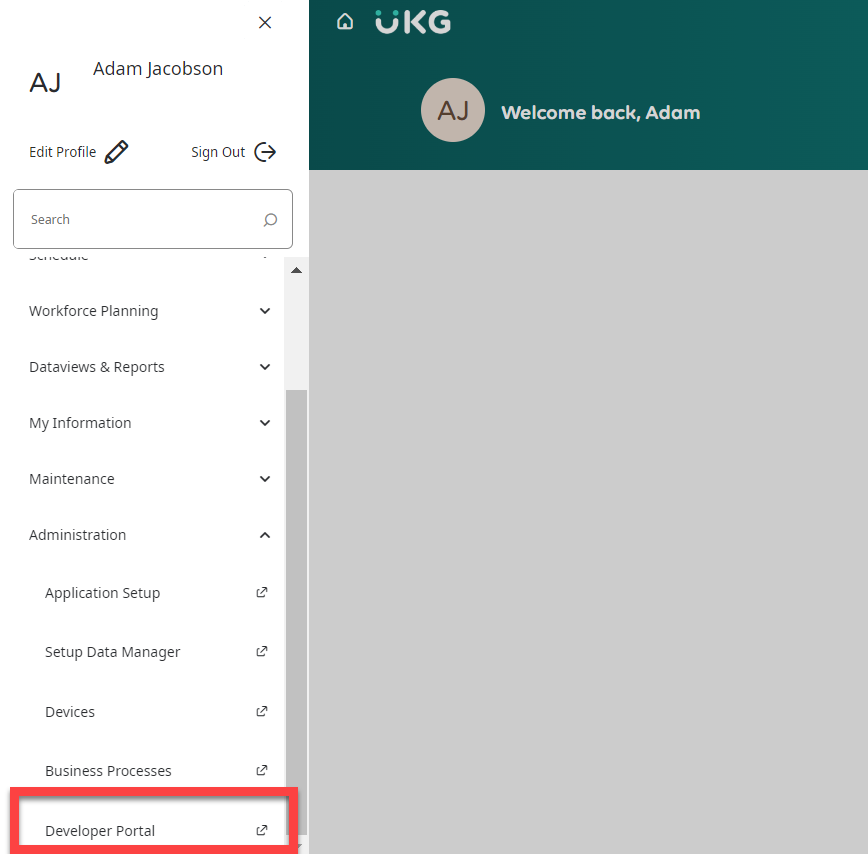
You can find the Developer Portal under administration:
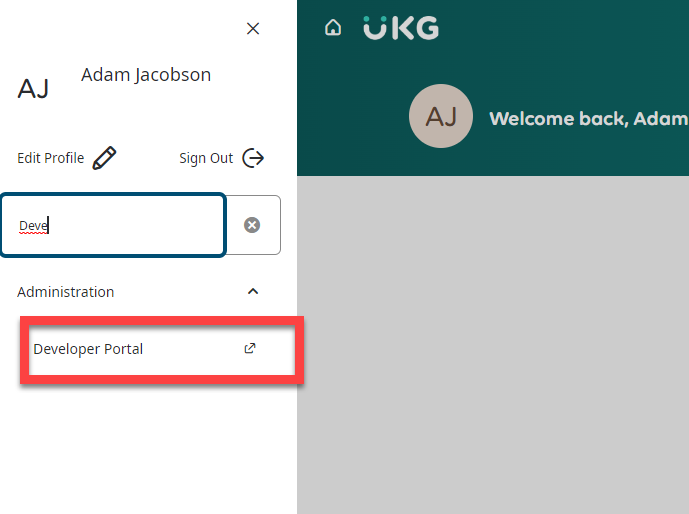
Or by searching:
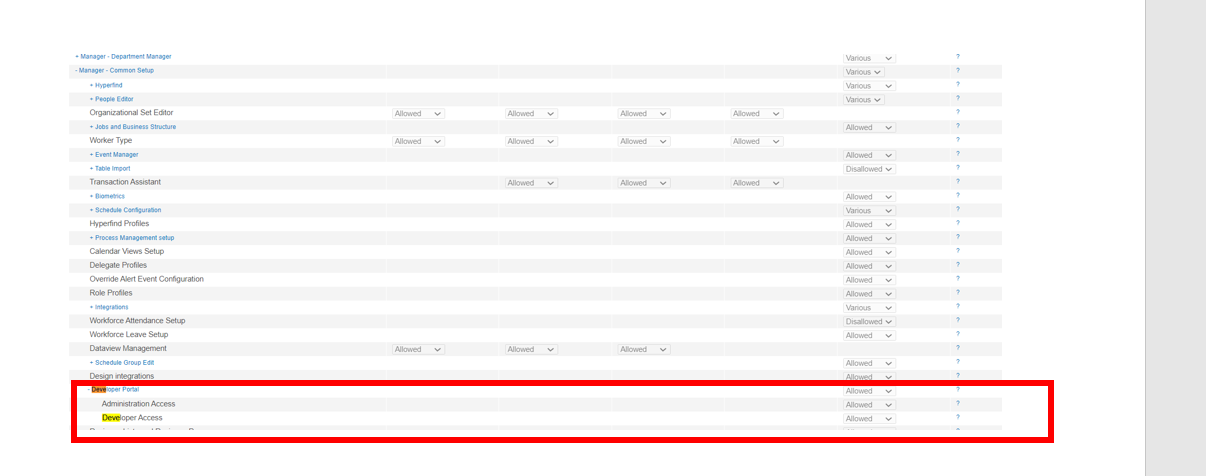
If the developer portal does not appear, have your administrator confirm that your Function Access Profile has the appropriate access. The required access can be found under: Manager Common Setup -> Developer Portal -> Administration Access and Developer Access.
Please note that the account you’ll be using will need appropriate access to do whatever you’d like to do. You can’t look up an employee (as we’ll do in this example) if you don’t have access to the employee from with the application.
Now let’s show you how to find the documentation for our requests:
Dimensions Developer Portal Documentation
Step 1 – Authentication:
Unlike UKG Pro/UltiPro APIs which we’ve described here, Dimensions APIs require a two-step process. The first request gets you an access token which is then used in the second request..
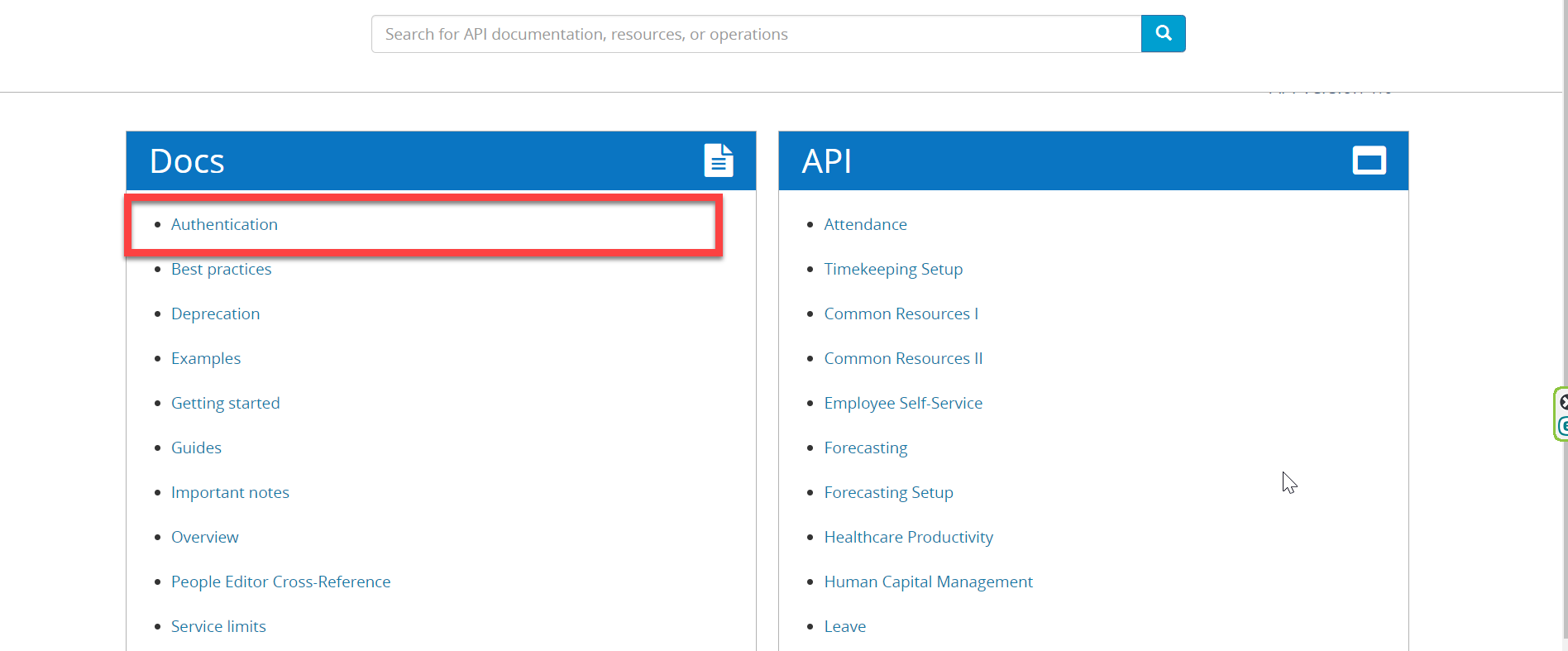
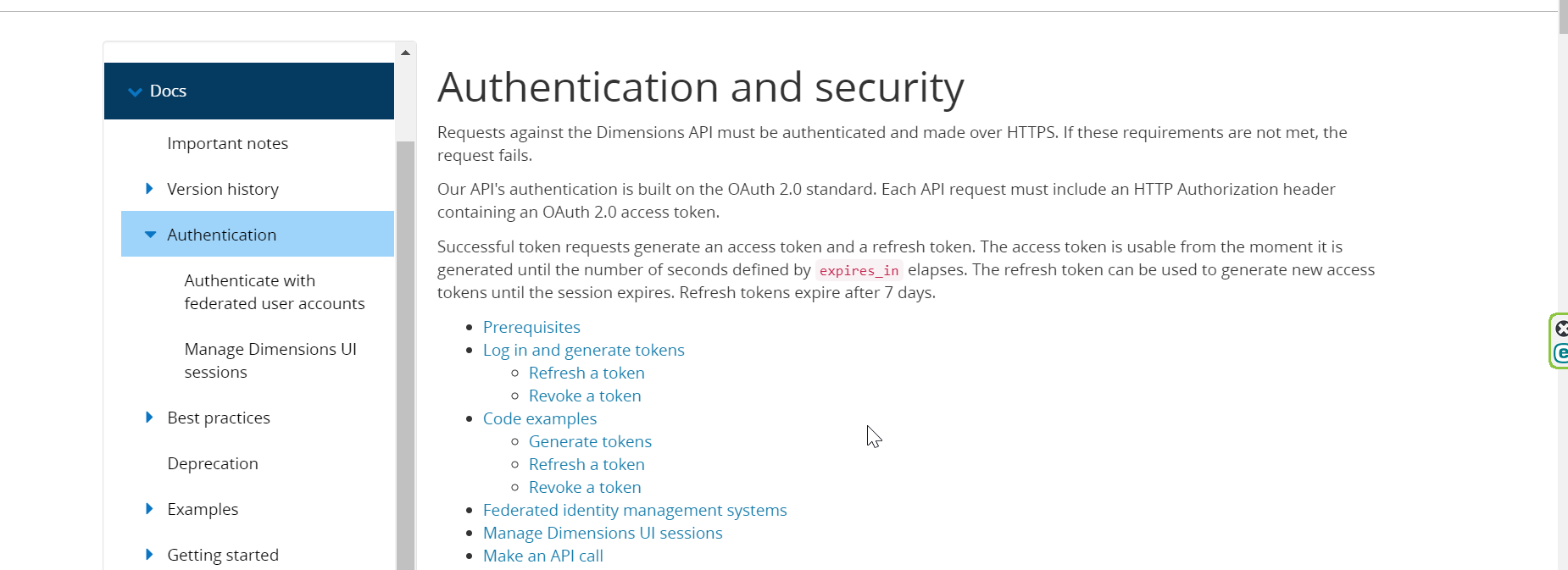
To find the documentation from the developer portal, click on Authentication.
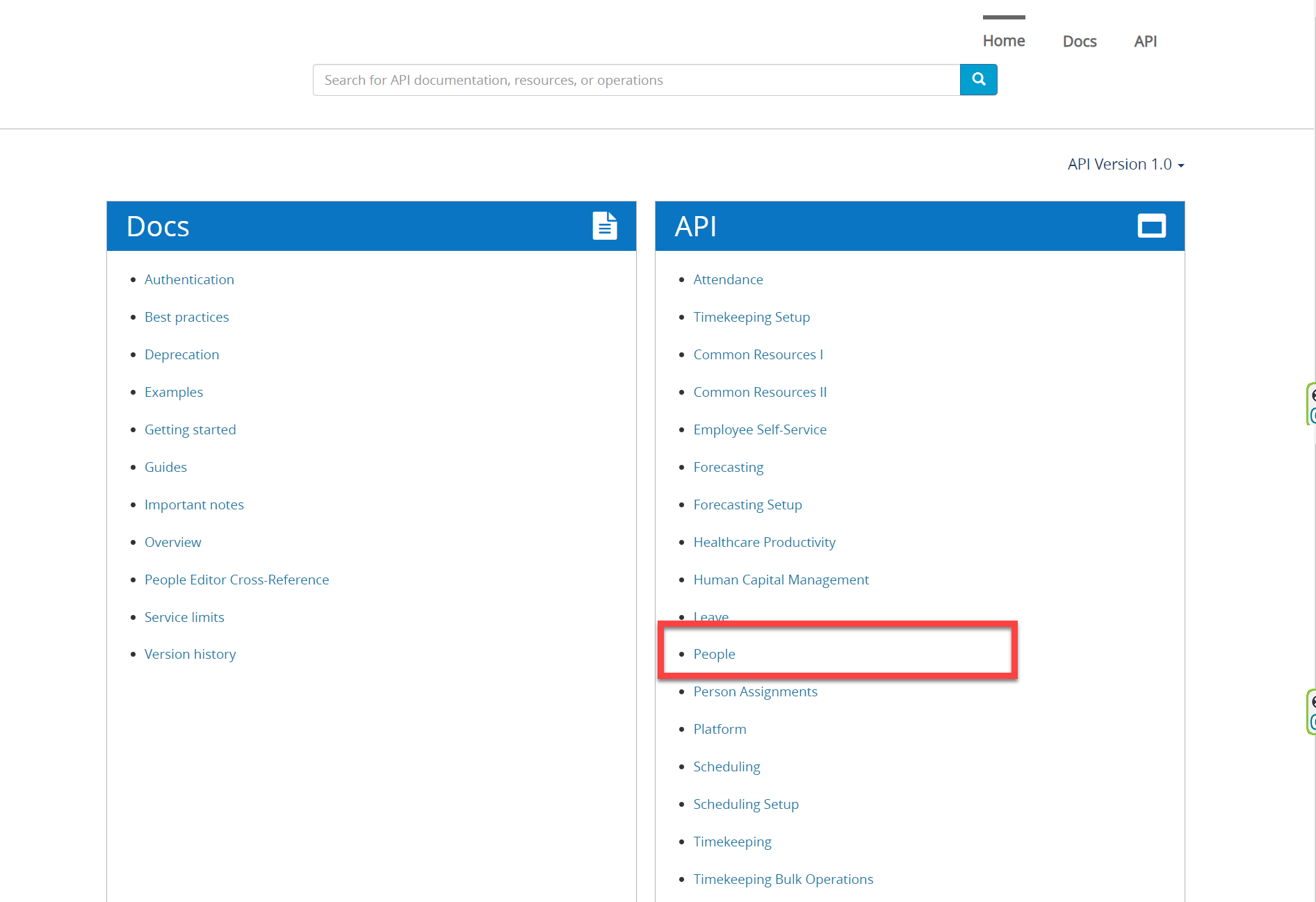
We’re going to use a simple API which retrieves data for a particular person. To find the documentation, click under People under the API column.
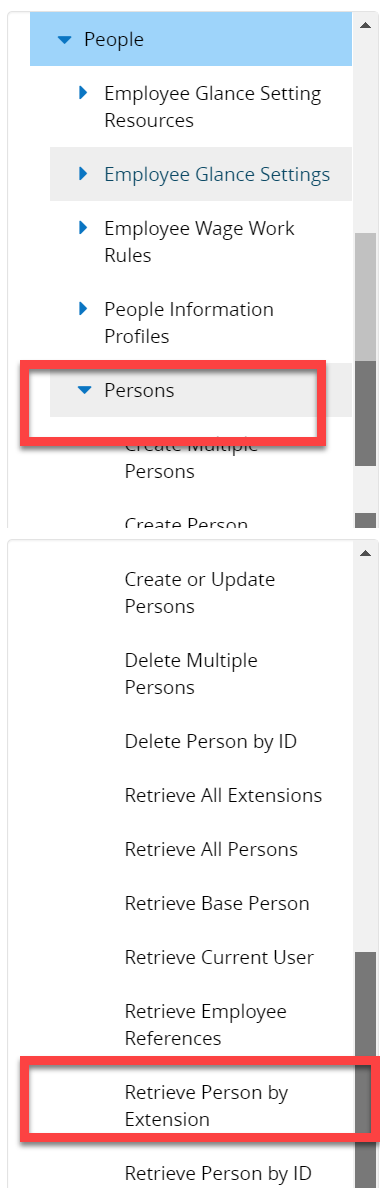
Now, expand “Persons” and scroll down until you see “Retrieve Person by Extension”
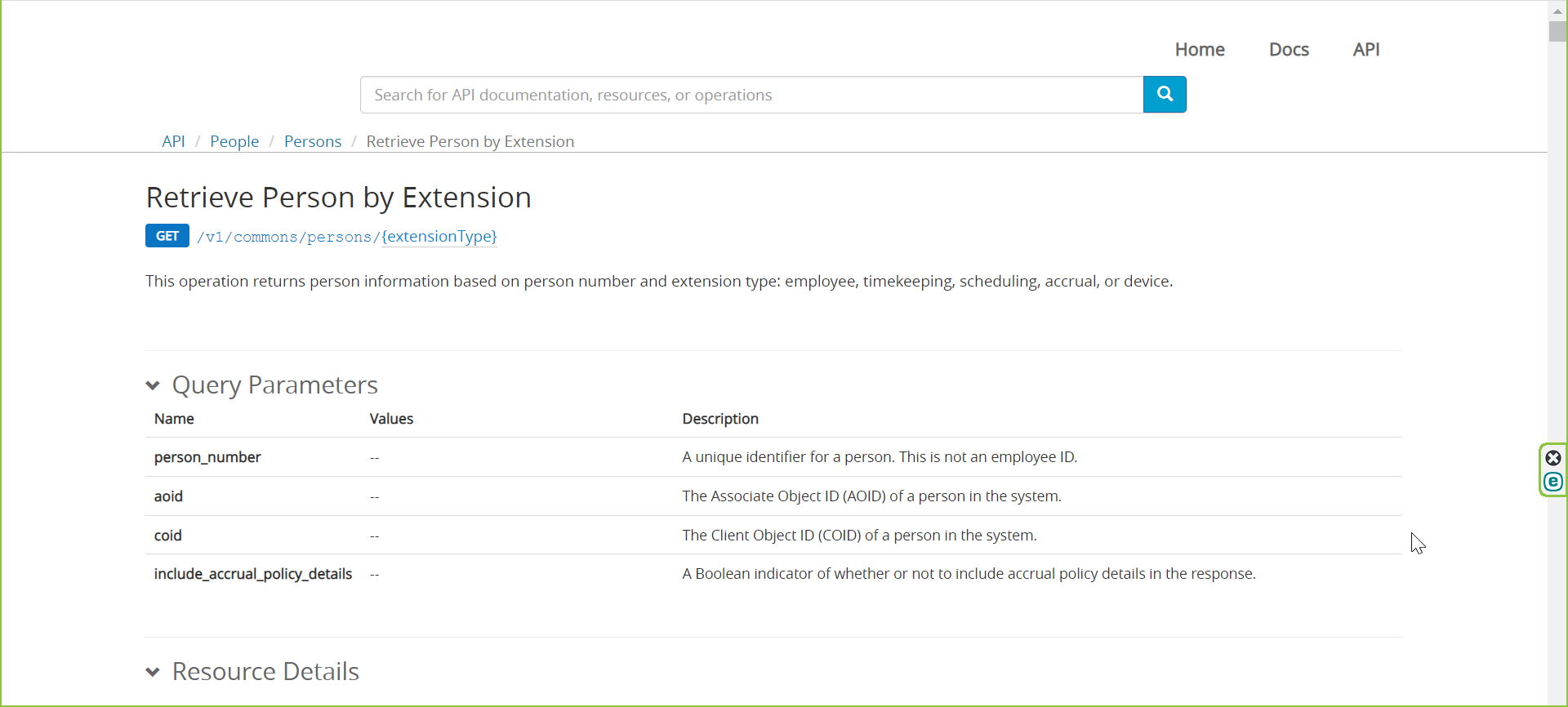
And you’ll find the documentation:
Please note:
You’ll find a search function at the top. However, I’ve found that it returns so many results that it’s at best “sub-optimal”.
Postman Example:
Dimensions Authentication/access_token
Now to postman.
For the first part
We’ll be looking at four parts of the postman request.
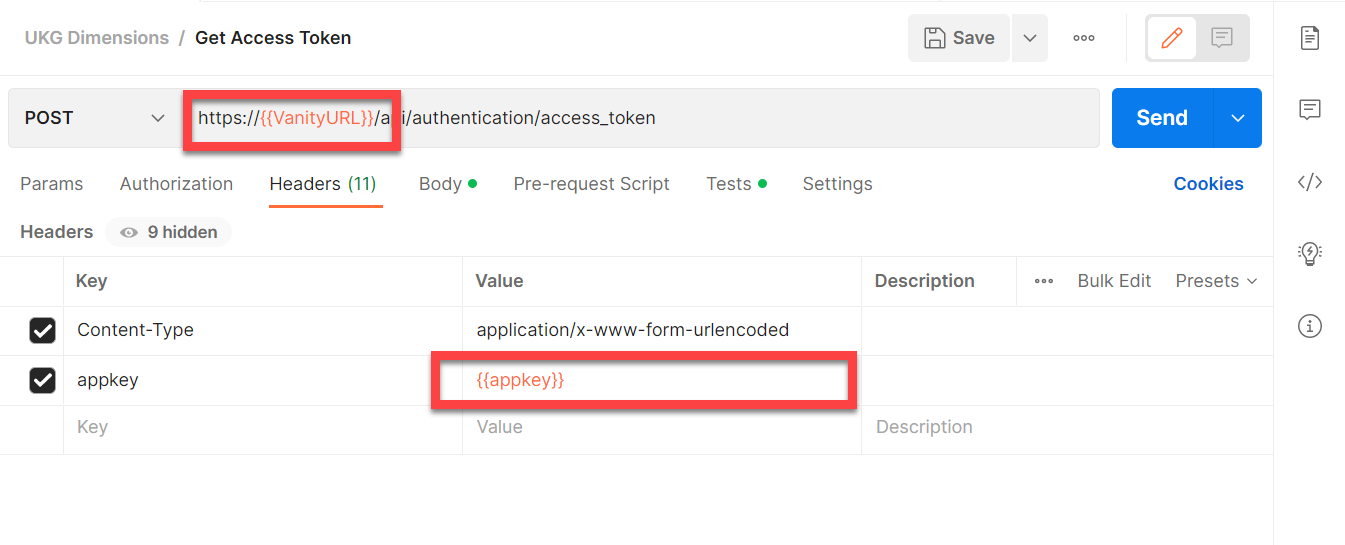
The URL
Headers
Body
Test
For this example, everything that will be custom to your site is stored in an environment variable.
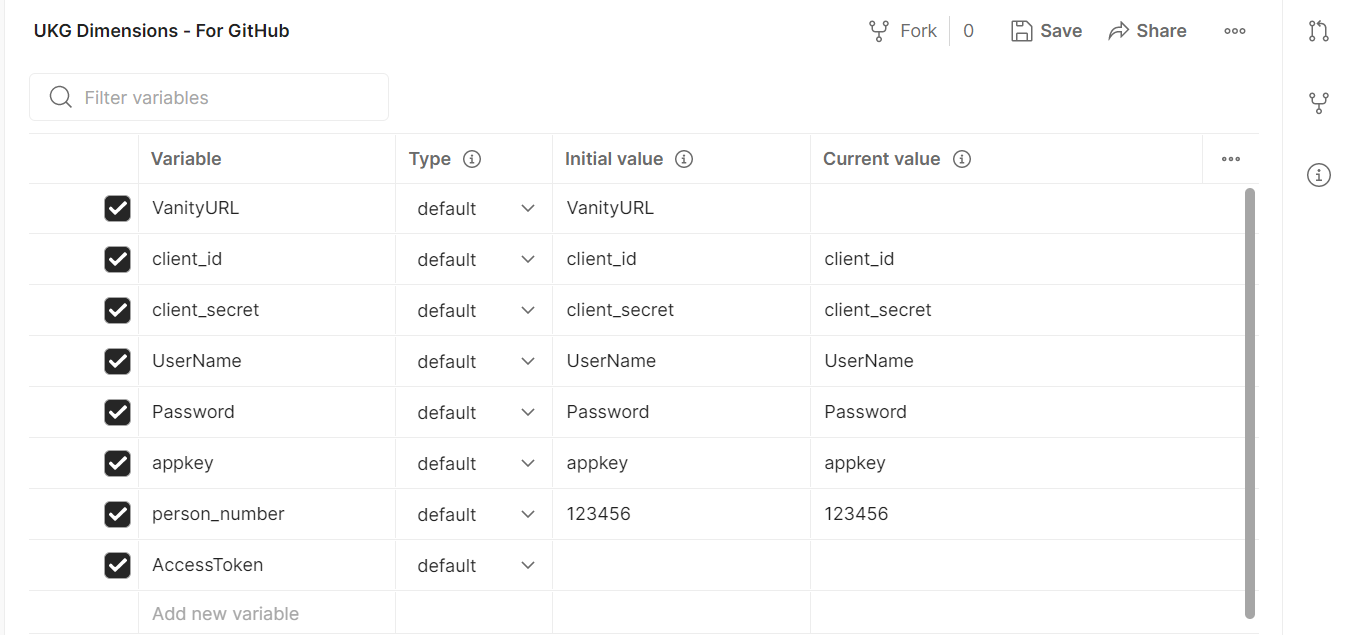
The environment will be called UKG Dimensions – For GitHub:
Here are all the variables we’ll be using:
We’ll review each of these in depth. However, in brief:
The first three values were provided during implementation. If you don’t have them, you can open a case to get them:
VanityURL
Client_id
Client_secret
The next two are for the user that you will use to run the API
UserName
Password
The appkey will need to be setup within the application. We’ll walk this through further in the post.
The Person_number can be any valid employee number in your application TO WHICH the username has access.
The AccessToken is a variable to pass the value from the authentication request to the second request.
The URL
The URL tell us the API you wish to call and the type of API (POST, GET, etc).
Please make sure you pay attention to the request type. Some request which are just reading data use POST. (As I figured out in the middle of a support call. Oops.)
The request needs the vanity URL. The vanity URL should be provided by the implementation team. Otherwise, you’ll need to open a case. (It took very little time to receive the information)
Headers
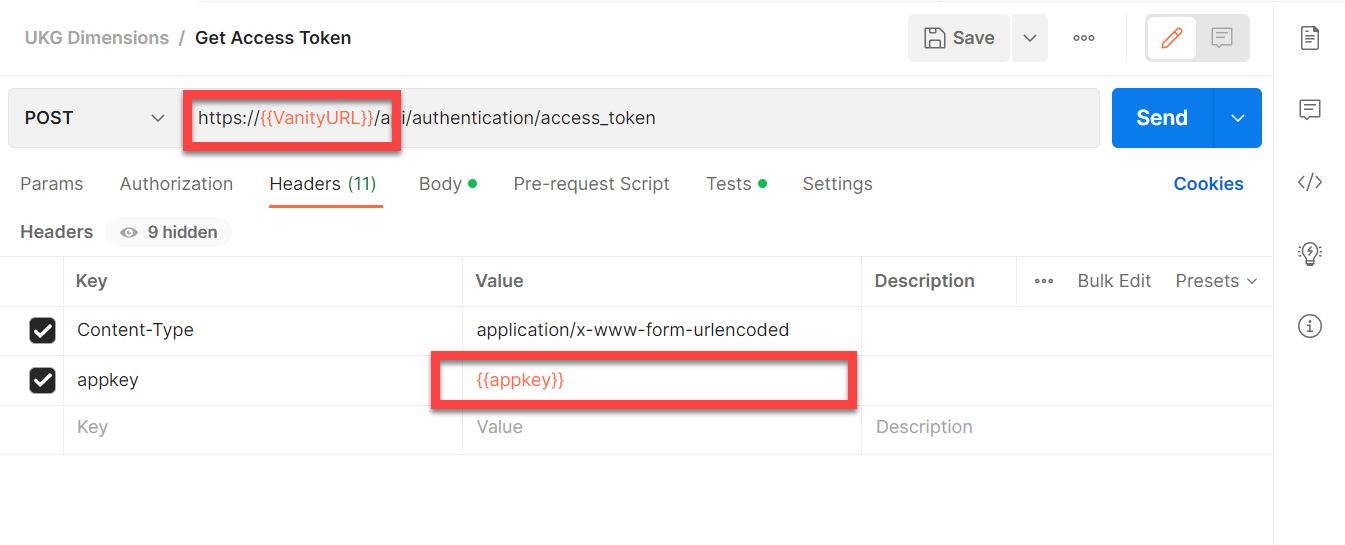
You only need two values in the headers. The content type is standard.
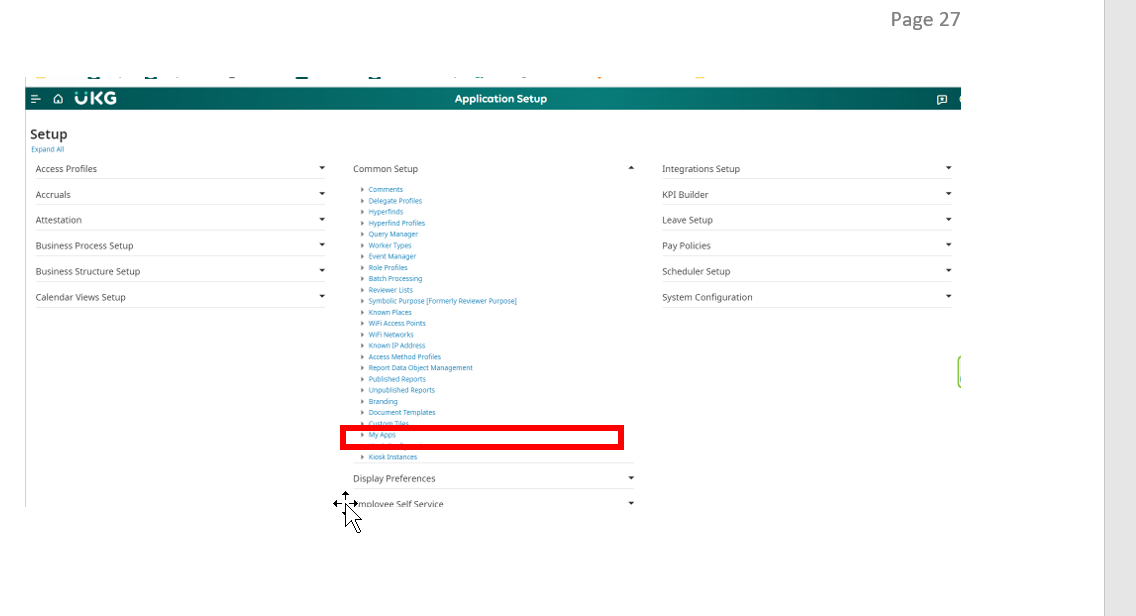
You need to set up the AppKey in the Dimensions application.
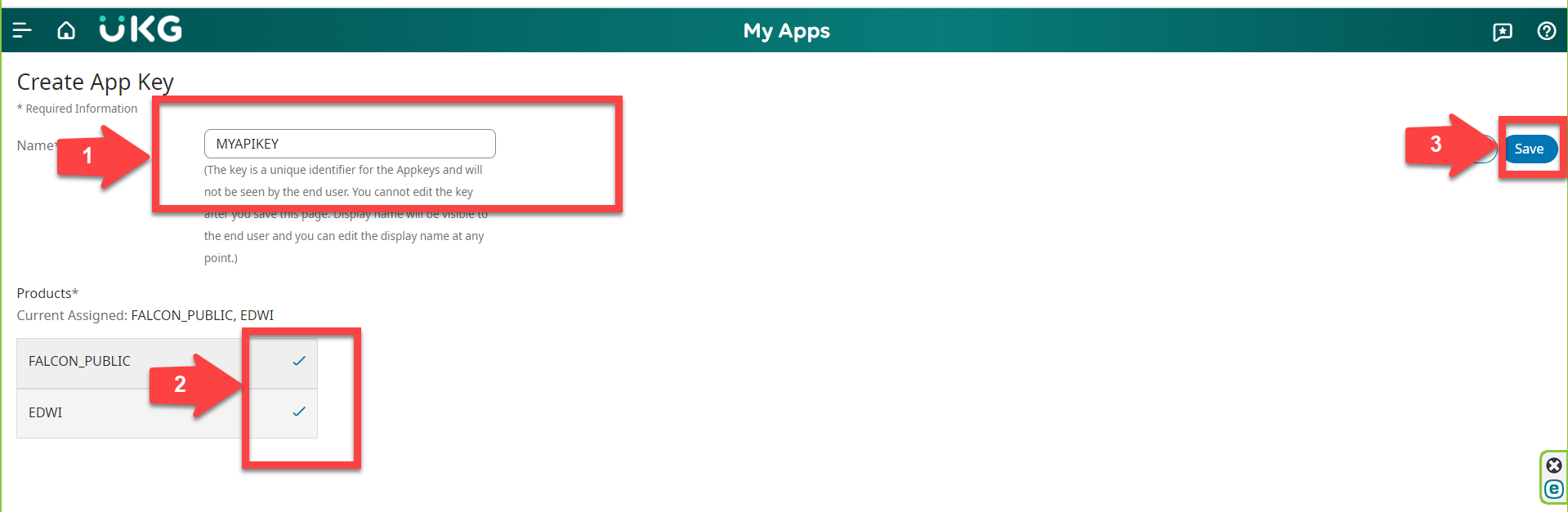
To do so, go to Application Setup -> Common Setup-> My Apps
Then click Add:
Name your key. The name doesn’t matter and won’t be used anywhere else. (It can be called Fred. Not that I suggest that you do so.)
Check what products this key may use.
Click Save.
You should receive a message that the key was successfully created.
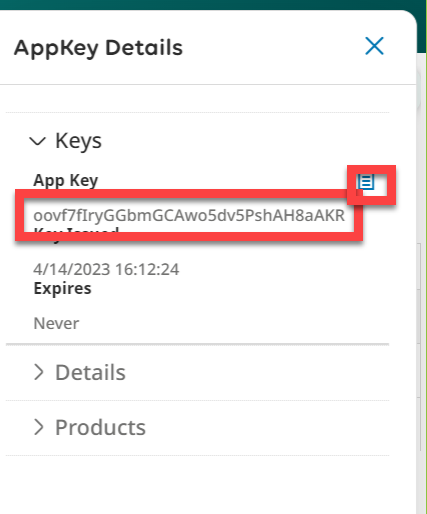
As I said, you don’t actually use the name you entered anywhere. Highlight the key (by clicking on it) and click details at the top:
Your appkey will appear. You may copy using the icon to the top right of the key:
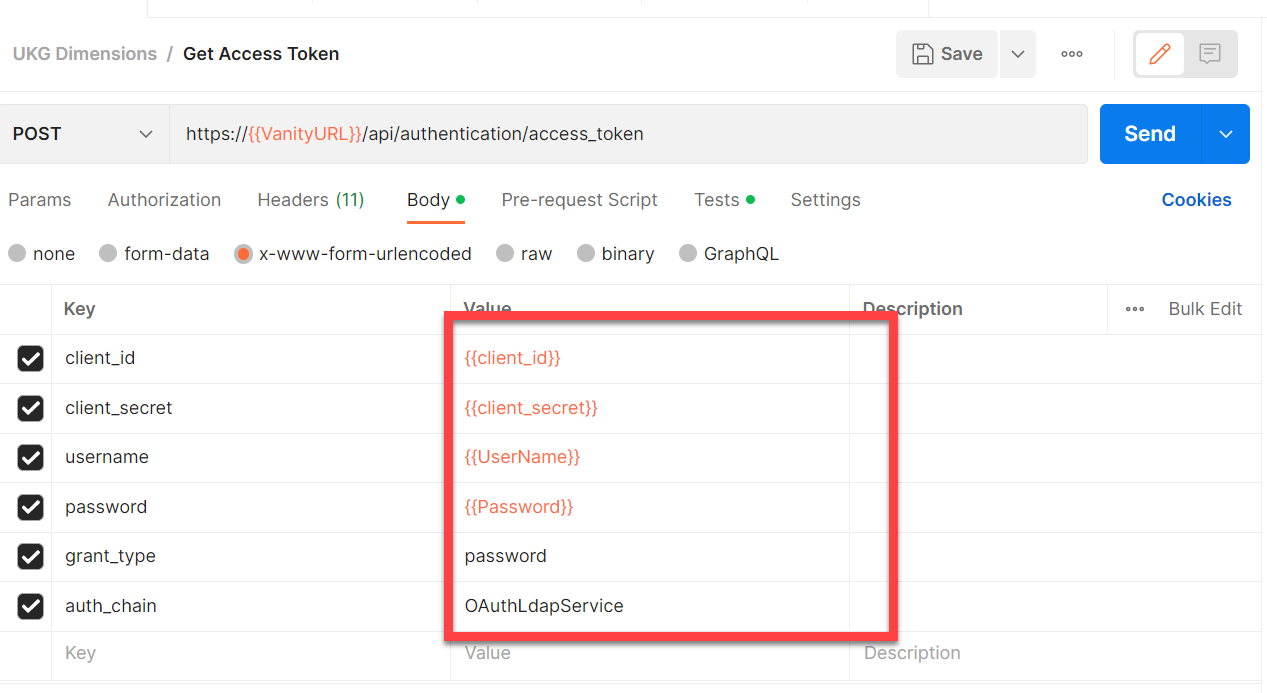
Body
The body has six values, four of which are variables.
Client ID and Client Secret were provided at implementation. If you don’t have them, you’ll need to open a support ticket.
The Username and Password can be for any Dimensions user with the appropriate security.
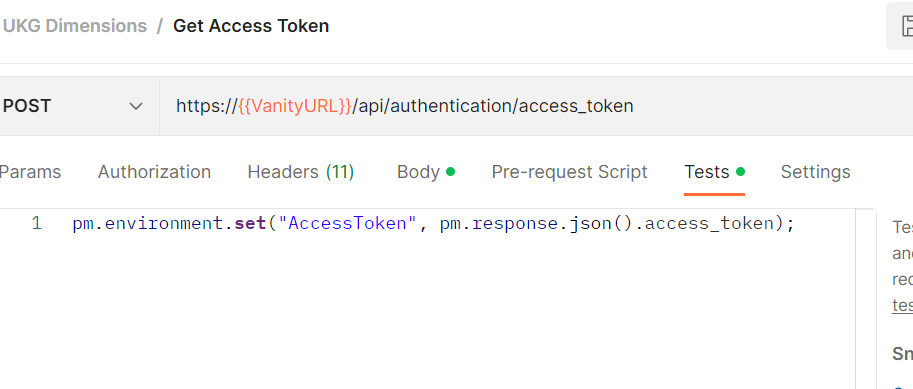
Tests
The entire point of this request is to get the access token.
This very small piece of java script saves the accessToken into the environment variable so that it may be used in the next request.
Retrieve Person by Extension
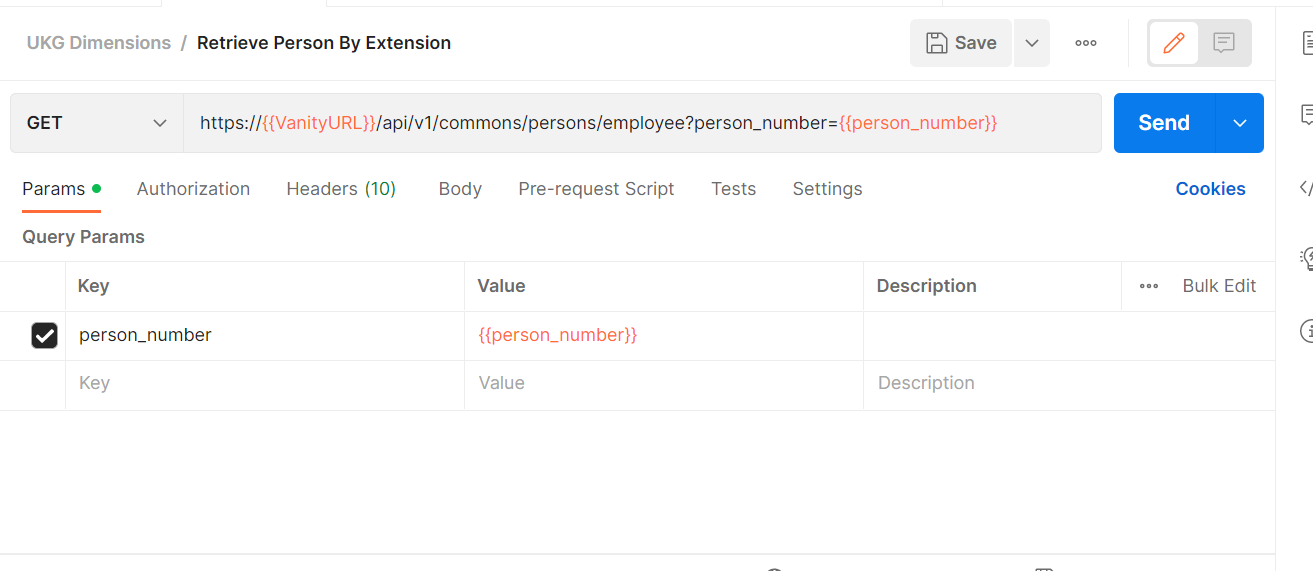
So, now you have you’re AccessToken. You probably want to actually do something. We’re going to get information for a given employee. This is actually a simpler request. Let’s parse the postman step by step.
In this case, we’ll look at the request, the parameters and the Headers.
You’ll see that the request uses the same VanityURL we used for the access token. Thus the great value of variables.
Also, we have one parameter called person_number which we assign in our environment variables.
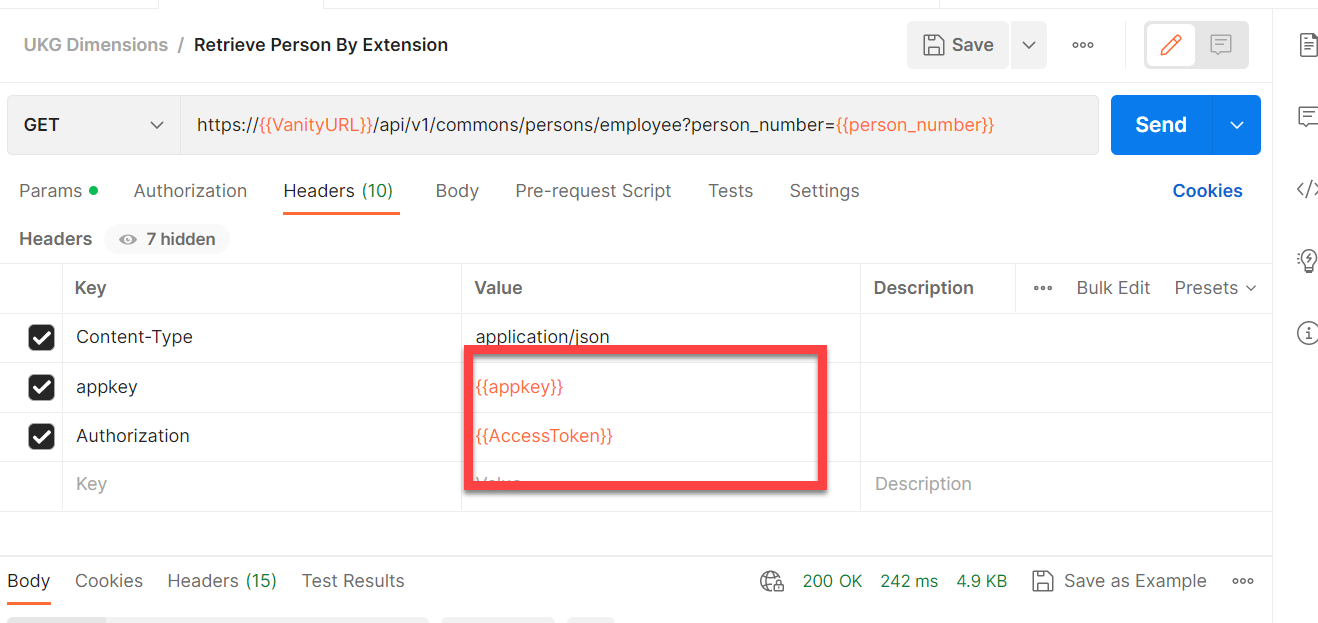
Headers:
The headers have three values, two of which are variables.
We’ve discussed both the appkey and the AccessToken previously.
Running the example.
To run the example, you need to:
Update the variables.
Run the authentication/AccessToken request.
Run the Retrieve Person by Extension Request.
(Note that we should be able to call the AccessToken Request directly from the Retrieve Person by Extension request. When I have that working, I’ll update the code).
After all this, you have JSON. Which you have to parse. Which is a topic for another day.
If you have questions or comments, please leave them below. Or contact us if you’re interested in training, development or consulting.
*They do have examples in Curl and Java. As a data guy who longs for the days when SQL was my tool, let’s just say that I’m not going to learn Java. Indeed, when we need scripting, we use Powershell. And everything needs to start with Postman.